New Collection By Insaf Cloth House | Live Now Enjoy Free Home Delivery Nationwide Email : insafcloth55@gmail.com | Phone: +92 91 7081229

Massachusetts Alliance for Sober Housing National Alliance for Recovery Residences

As the state’s affiliate of the National Alliance for Recovery Residences (NARR), MASH ensures that sober living homes meet strict standards for safety, support, and structure. The legal framework governing sober houses in Massachusetts is multifaceted, involving state and local regulations. Massachusetts General Laws Chapter 111, Section 127A, empowers the Department of Public Health to establish health https://ecosoberhouse.com/ and safety standards for residential facilities. This statute ensures sober houses maintain a habitable environment for residents. Verification that written resident’s rights and requirements (e.g. residence rules and grievance process) are posted or otherwise available in common areas.
Massachusetts Sober Living Homes
The organization has a Code of Ethics and Standards of Operation. Though The Willing House does Not provide treatment of any kind, our preferred provider at Lake Avenue Recovery has best in class addiction treatment for those seeking a higher level of care. Community members are all people in recovery who are actively working a program of recovery. Our main focus is to provide a safe and sober environment for recovering addicts and alcoholics. Beware NIMBY resistance to sober living homes in Massachusetts. In Methuen, a husband-wife team was harassed by the city with several lengthy requests for code-related information and inspections.
Society of St. Vincent de Paul (SVdP): Financial Assistance for Sober Living
At Graceland Recovery, women are expected to embrace a high level of accountability with an emphasis on independant living. While the Bureau of Substance Addiction Services (BSAS) in Massachusetts is responsible for certifying all addiction treatment programs in the state, it does not certify sober living homes. Instead, Massachusetts contracts that work out to MASH. A significant milestone in MASH’s history occurred in 2011 when the National Alliance for Recovery Residences was founded. NARR established national standards for recovery residences, which MASH adopted and tailored to meet the specific needs of Massachusetts. This alignment with NARR standards helped MASH strengthen its certification process and expand its influence across the state.
The Massachusetts Alliance for Sober Housing (MASH)
Resident and staff orientations include how to greet and interact with neighbors and/or concerned parties. Documentation that residents are oriented to emergency procedures. Documentation that emergency contact information is collected from residents. Verification that kitchen and dining area(s) are large enough to accommodate all residents sharing meals together. Verification that a meeting space is large enough to accommodate all residents. Verification that furnishings are typical of those in single family homes or apartments as opposed to institutional settings.
- 10.a Policies that value individuals chosen for leadership roles who are versed and trained in the Social Model of recovery and best practices of the profession.
- That’s why our Intake Team is here to guide you through every step—from identifying the right funding options to completing the application process.
- It is a feeling.” Our certified sober homes take pride in offering a home-like environment that supports recovery.
- Policies and procedures that serve the priority population, which at a minimum include persons in recovery from substance use but may also include other demographic criteria.
- Click the green button below to help us better understand your recovery housing needs.
While these homes are protected under the mash sober living federal Fair Housing Act and the Americans with Disabilities Act, local zoning laws can present challenges. Operators must navigate these regulations carefully to avoid legal disputes while ensuring compliance. Neighborhood associations and local governments engage with operators to address concerns such as safety or community impact. Public hearings and meetings provide platforms for dialogue, balancing the needs of residents and the broader community. Understanding certification and compliance is vital for operators, policymakers, and residents.


In July 2014, Bill H.1828 was passed into law mandating the monitoring and voluntary certification of MA Sober Homes. Chapter 165, Section 37 of the Acts of 2014 required the Department of Public Health (DPH) to establish a Drug rehabilitation process for the voluntary certification of alcohol and drug free (ADF) housing. This legislation limits state agencies and their vendors to referring to certified ADF housing. DPH awarded a contract to the Massachusetts Alliance for Sober Housing (MASH) to be the certifying body, and the training and technical assistance vendor.
Nonprofit and Recovery Organizations offering Sober Living Grants
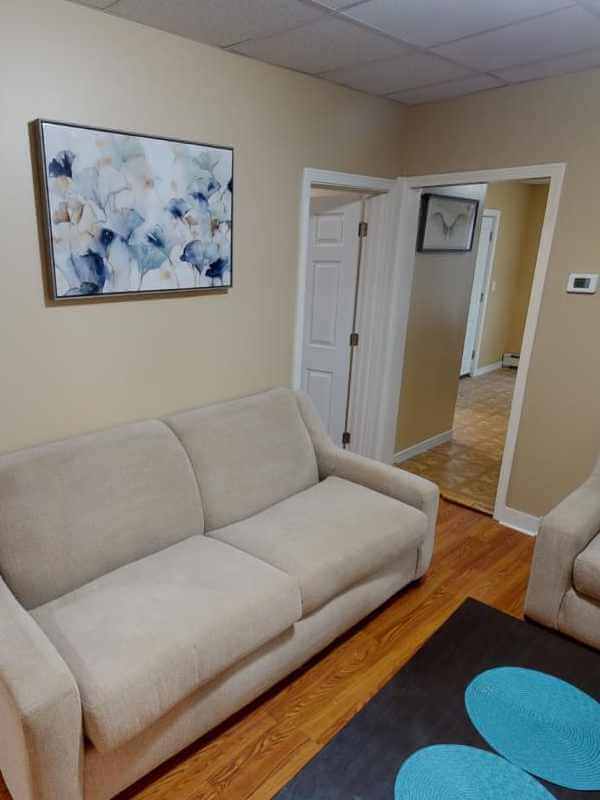
This house is has a amazing structure and support system in place. To learn more about this amazing sober house, click on the link to go to their website. A sober living home is beneficial to an individual’s recovery. It is an alternative to going from an immersive care environment straight to a totally unstructured environment at home. Sober living homes replicate normal, everyday life situations while instilling healthy habits and helping the individual better their lives through employment or education. 27.d Documentation that residents are formally linked with the community such as job search, education, family services, health and/or housing programs.
You don’t have to get certified to open a sober living home in Massachusetts. Here are some of the questions we receive about sober housing in Massachusetts. Don’t see what you’re looking for or want to know more?